DIGITAL EXHIBITIONS2


Composing the Mind:
The Rhythm of Learning
Quality Education serves as the cornerstone of human development. It advocates for inclusive, equitable, and lifelong learning opportunities for all, regardless of background, gender, or circumstance. This chapter invites you to explore exhibits highlighting innovative educational practices, accessible learning tools, and community-driven initiatives bridging educational gaps. From digital learning platforms for underserved regions to inclusive programmes for marginalised groups, these stories illustrate how SDG 4 transforms lives through knowledge and builds a more just and prosperous global society.
Learning from Land and Hand
This chapter explores how Indigenous and traditional objects, like woven bags and paintings, embody cultural knowledge passed on through informal education. It highlights the role of hands-on practice, storytelling, and art in preserving heritage, reminding us that quality education includes diverse knowledge systems beyond formal schooling.
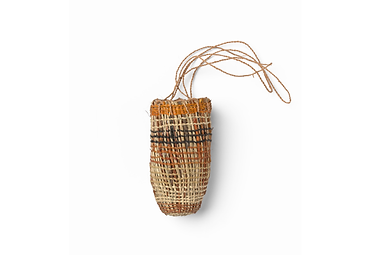
Lorna Jin-Gubarrangunyja (1952–)
2023
Pandanus (Pandanus spiralis) and Kurrajong (Brachychiton populneus) with natural dyes
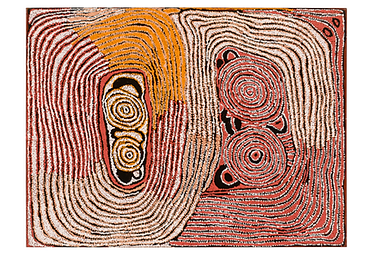
Walangkura Napanangka (1938–2012)
2006
Synthetic polymer paint on canvas
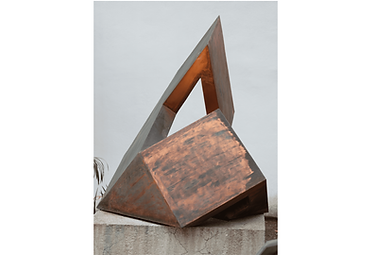
Learning through Images and Identities
Through artworks depicting cultural narratives and identities, this chapter shows how art serves as a visual record and educational tool. It emphasizes the transmission of historical and ethnographic knowledge, fostering appreciation for diversity and supporting inclusive, equitable education as outlined in SDG 4.

Vincent Namatjira (1983–)
2021
Synthetic polymer pigment on canvas


Learning through Words and Wisdom
Focusing on calligraphy and historical texts, this chapter illustrates education as a transformative process of inquiry and dialogue with tradition. It connects philosophical principles such as critical engagement with the past and modern goals of holistic learning and societal progress, resonating with SDG 4.

Stone: Eastern Han (125–220 CE), Yuanjia period (151–153 CE)
Rubbing: Late Qing dynasty (1644–1911), late 19th century or early 20th century
Rubbing, ink on paper

Dong Qichang (1555–1636)
China, Ming dynasty (1368–1644)
Ink on paper

SDG 4 TIMELINE

Address: 90 Bonham Road, Pokfulam, Hong Kong View the location on Google Maps
Tel: (852) 2241 5500 Fax: (852) 2546 9659 Email: museum@hku.hk
© 2025 by University Museum and Art Gallery, HKU. All Rights Reserved


